You are here

Webbing

  • This carpet is woven on a vertical handloom with the wicker weaving technique, characterized by the traditional Pintura bindighi lunas e calighes (15 moon and goblet pattern) technique. This artefact features an ethnic taste and the colours of the traditional model.

  • This cotton and Sardinia wool carpet features a balanced wide geometrical decoration with musk green weaves on a neutral field, and purple parallel stripes.

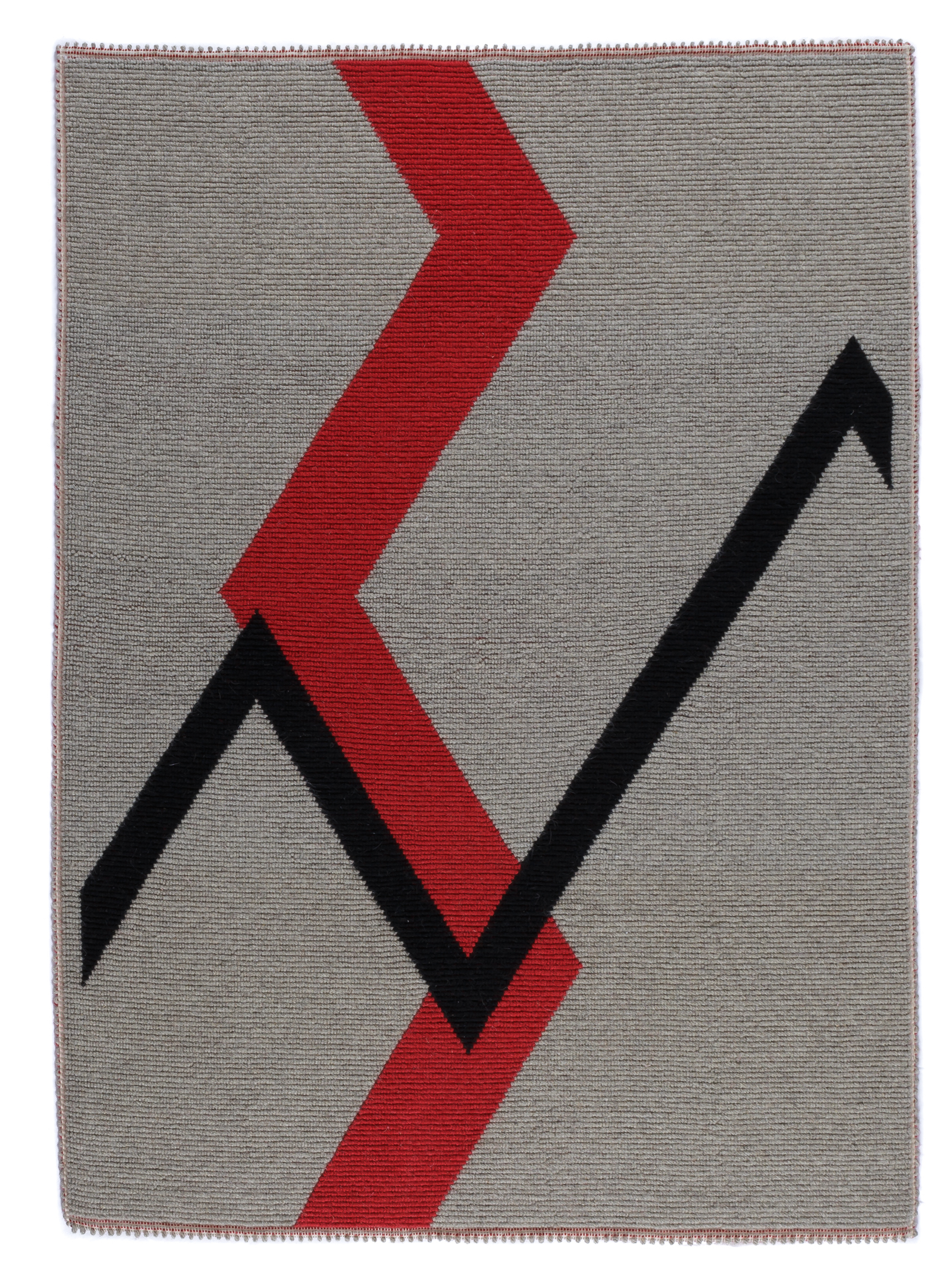
  • This carpet in Sardinian wool reinterprets the textile modules of the designer-artist Eugenio Tavolara, especially designed in the 1950s for the village of Bolotana and which are now known in the context of the iconographic range of local weaving as sas candelitas, the candles.

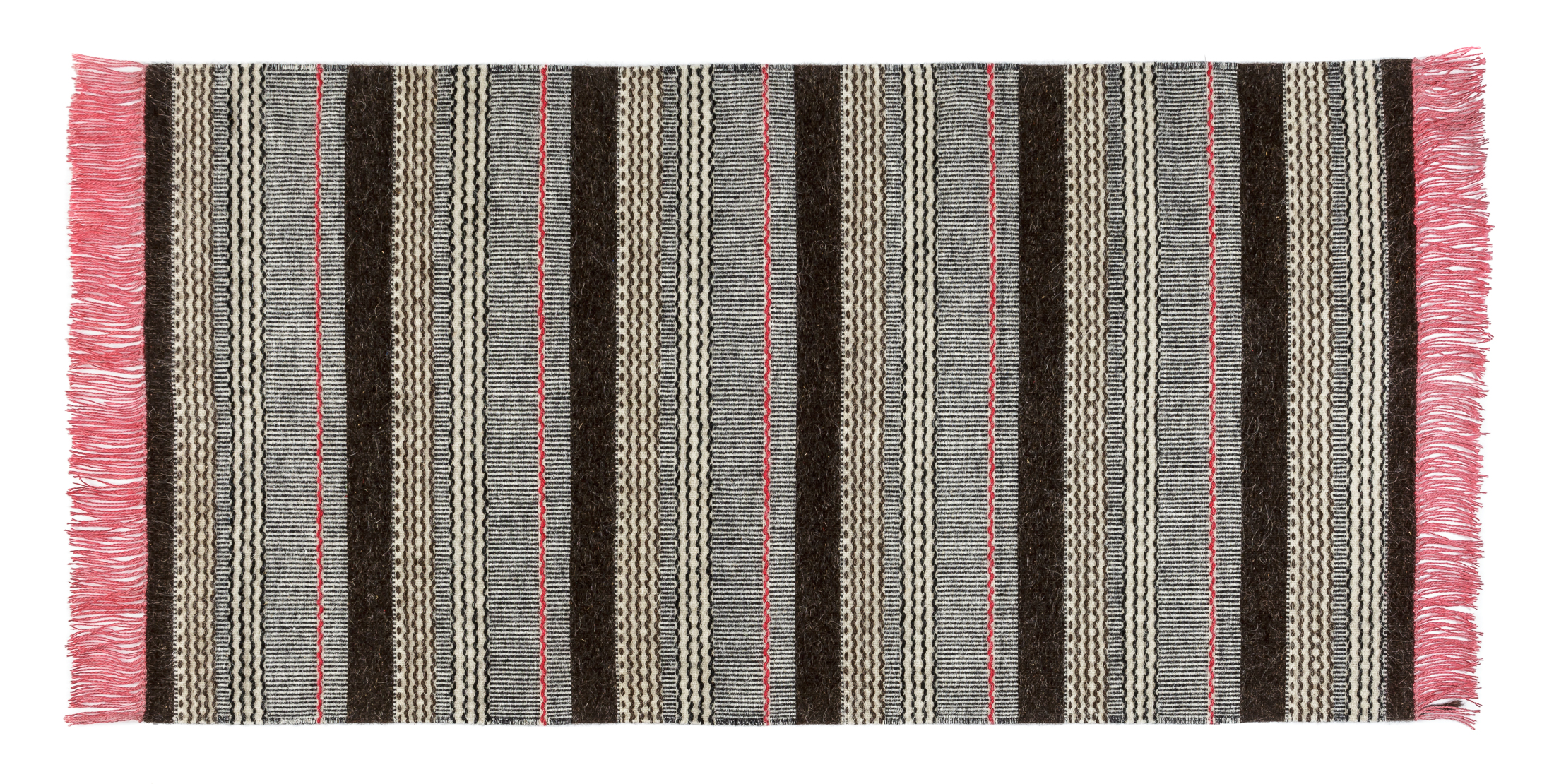
  • This cotton and Sardinian wool carpet is charaterized by staggered stripes of different colours. The fabric is woven on a traditional flat handloom, the pattern is obtained by applying the a pistoccu technique, traditionally used to make saddlebags and doughcloths.

  • Original and archaic, this gold necklace has a central pendant depicting the Mother Goddess of the Nuragic culture whose apotropaic value is emphasised by the juxtaposition of vari-coloured coral and mother of pearl, embellished by small granulated gold elements.

Il settore

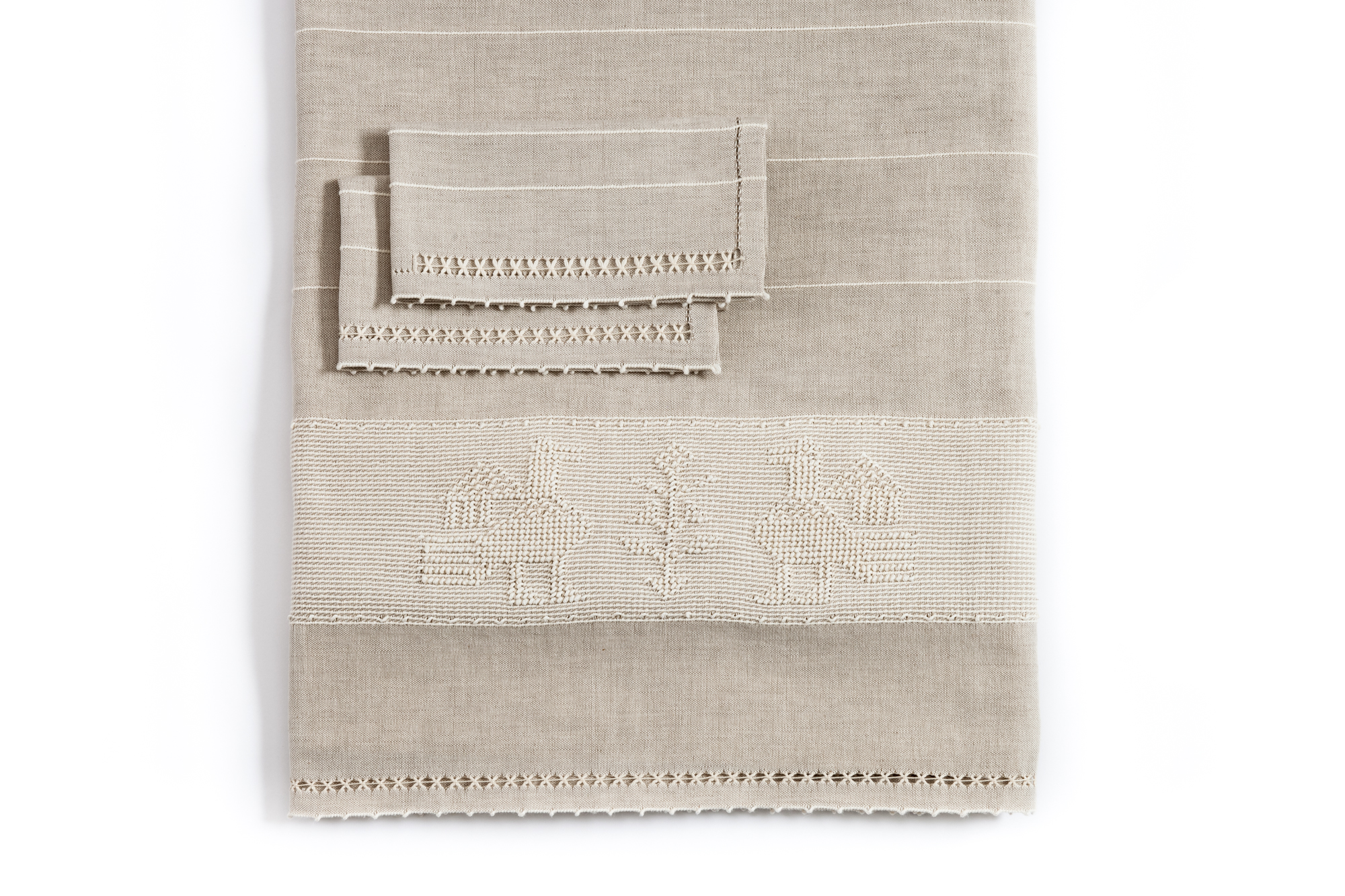
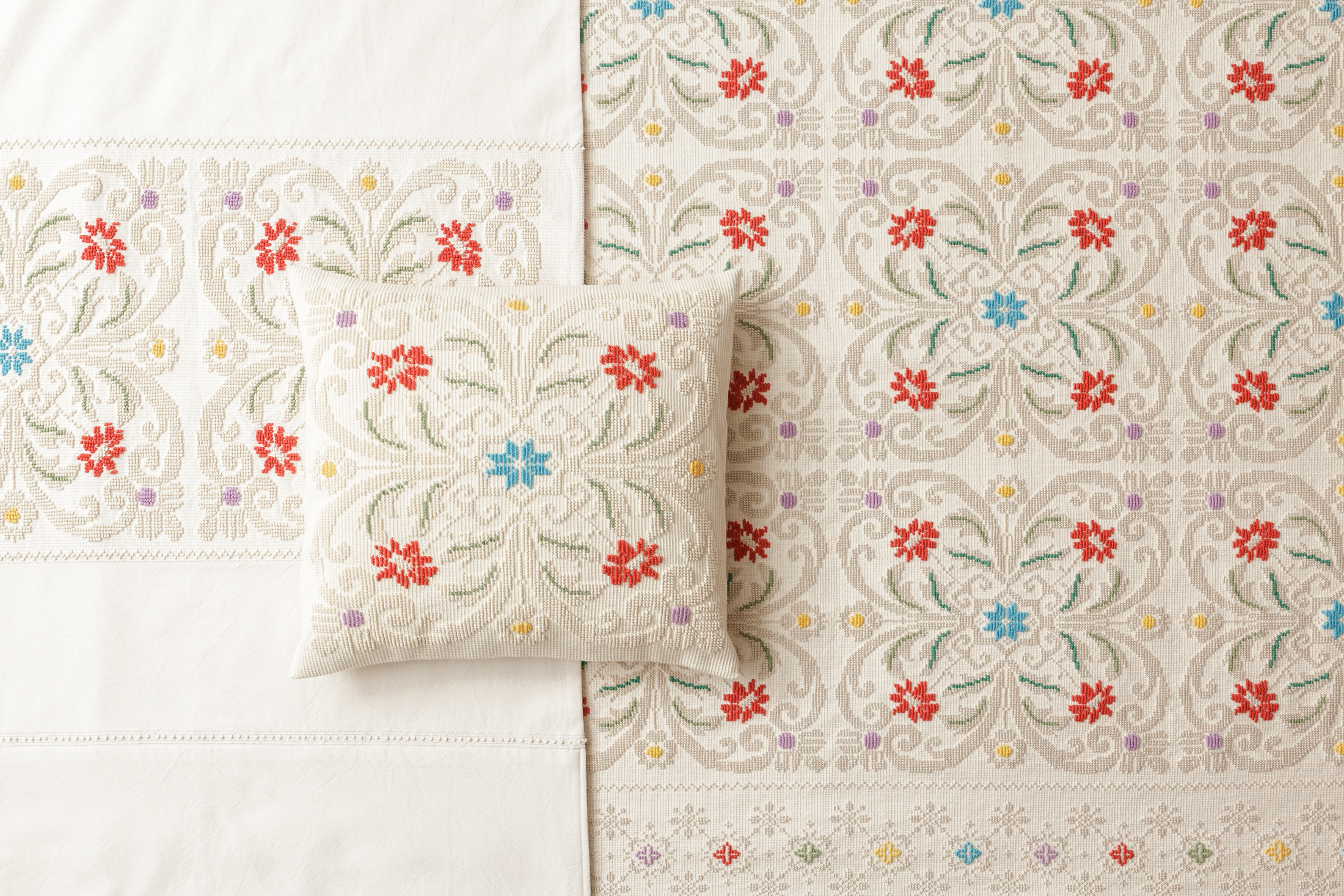
The traditional textile industry offers a remarkable production, resulting from the mediation between history and traditional knowledge and the needs of contemporary living. The craftsmen working on the island – almost all of them pursuing family traditions, having been trained since they were children in the use of hand looms – now offer a very high quality production, full of archaic memories but, at the same time, featuring a modern design, a reinterpretation of the past to give new life to it. Nowadays, the textiles made in Sardinia feature a distinctive Sardinian character, the core element of Sardinian craftsmanship, but they also offer new shapes, models and materials with a strong and modern personality.